Buy loir-et-berce.eu ?
We are moving the project
loir-et-berce.eu .
Are you interested in purchasing the domain
loir-et-berce.eu ?
domain@kv-gmbh.de · 0541-91531010
Buy loir-et-berce.eu ?
What is vestibular syndrome in dogs?
Vestibular syndrome in dogs is a condition that affects the inner ear and the balance system. It can be caused by a variety of factors, including infections, inflammation, or even tumors. Symptoms of vestibular syndrome include loss of balance, head tilt, rapid eye movements, and difficulty walking. While the sudden onset of these symptoms can be alarming, many dogs can recover with supportive care and treatment. It's important to consult with a veterinarian if you suspect your dog is experiencing vestibular syndrome to determine the underlying cause and appropriate treatment. **
What signs does an older dog with vestibular syndrome show?
An older dog with vestibular syndrome may show signs such as sudden loss of balance, head tilt, circling or falling to one side, rapid eye movements (nystagmus), and difficulty standing or walking. They may also exhibit signs of nausea, such as vomiting or loss of appetite. It is important to seek veterinary care if you notice these symptoms in your older dog, as vestibular syndrome can be distressing and uncomfortable for them. **
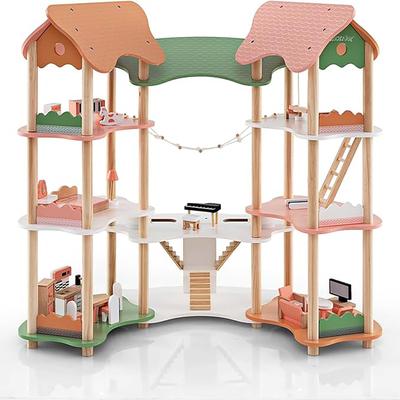

Similar search terms for Vestibular
Top-Angebote
Products related to Vestibular:



-
What signs does an older dog suffering from vestibular syndrome show?
An older dog suffering from vestibular syndrome may show signs such as sudden loss of balance, head tilt, circling or falling to one side, rapid eye movements (nystagmus), and difficulty standing or walking. They may also exhibit signs of nausea, such as drooling or vomiting. It is important to seek veterinary care if you notice these symptoms in your older dog. **
-
What signs does an older dog show when suffering from vestibular syndrome?
An older dog suffering from vestibular syndrome may exhibit symptoms such as sudden loss of balance, head tilt, circling or leaning to one side, rapid eye movements (nystagmus), and difficulty standing or walking. They may also experience nausea, vomiting, and disorientation. It is important to seek veterinary care if you notice these signs in your older dog, as vestibular syndrome can be distressing for them and may require medical treatment. **
-
What are the signs of an older dog suffering from vestibular syndrome?
Signs of an older dog suffering from vestibular syndrome include sudden loss of balance, head tilt, circling or falling to one side, rapid eye movements (nystagmus), and difficulty standing or walking. Other symptoms may include nausea, vomiting, and a general sense of disorientation. It is important to seek veterinary care if you notice these signs in your older dog, as vestibular syndrome can be distressing for them and may require medical treatment. **
-
How do you get the dog to eat when it has vestibular syndrome?
When a dog has vestibular syndrome, it may experience nausea and loss of appetite. To encourage the dog to eat, you can try offering small, frequent meals of easily digestible food such as boiled chicken and rice. You can also warm the food slightly to enhance its aroma and make it more appealing. Hand-feeding or using food puzzles to make mealtime more engaging may also help stimulate the dog's appetite. If the dog continues to refuse food, consult with a veterinarian for further guidance and possible appetite stimulants. **

How do you get the dog to eat when he has vestibular syndrome?
When a dog has vestibular syndrome, it is important to encourage them to eat by making their food more appealing. This can be done by warming up their food slightly to enhance the aroma, offering high-value treats, or hand-feeding them. It is also helpful to feed smaller, more frequent meals to prevent them from feeling overwhelmed. Additionally, consulting with a veterinarian for guidance on appetite stimulants or medications may be necessary in severe cases. **
How do you get the dog to eat when it has a vestibular syndrome?
When a dog has vestibular syndrome, it may experience nausea and loss of appetite. To encourage the dog to eat, you can try offering small, frequent meals of highly palatable and easily digestible food. Warm the food slightly to enhance its aroma and make it more appealing. Hand-feeding or using food puzzles to make mealtime more engaging can also help stimulate the dog's appetite. If the dog is still not eating, consult with a veterinarian for further guidance and possible appetite stimulants. **
Top-Angebote
Products related to Vestibular:
-
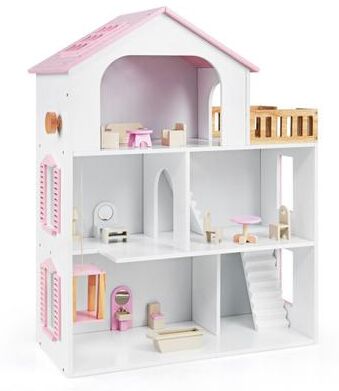
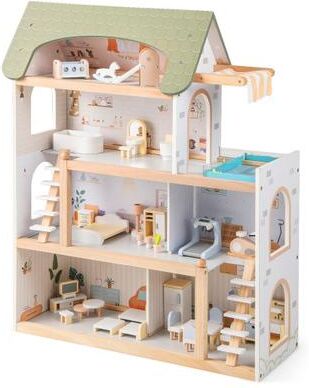
Kids Wooden Dollhouse Aged 3-8 w/ 32PCS Furniture AccessoriesGift your kids an enchanting world with our doll house! Featuring 3 tiers and 7 rooms, our doll house playset turns any nook of your child's room into a whimsical haven of delight.162,99 $*Shipping: 0,00 $Secure redirect to the provider
-
Epson EcoTank ET-2912Save up to 95% on the cost of ink* with an EcoTank ink tank printerSave up to 95% on printing costs* with Epson’s cartridge-free EcoTank printers. With up to 3 years of ink included*, the integrated ink tanks are easy to fill thanks to the specially engineered ink bottles. With an ultra-compact design and flexible, reliable connectivity features, this is the perfect printer for anyone looking for consistent high-quality prints at an incredibly low cost-per-page.Say goodbye to cartridgesEcoTank provides hassle-free home printing - the ultra-high capacity ink tanks allow mess-free refills and the key-lock bottles are designed so only the correct colour can be inserted. The front ink level display means it's easy to see when it’s finally due for a refill.Keep on savingThis economical printer saves you up to 95% on printing costs* and comes with up to 3 years' worth of ink*. One set of ink bottles delivers up to 4,700 pages in black and white and 7,500 in colour*, the equivalent of up to 63 cartridges worth of ink!*Small yet packed with featuresFeaturing a 100-sheet rear paper tray, borderless photo printing (up to 10x15cm) and fast print speeds of up to 11 pages per minute*, you can speed through a variety of tasks with ease. Additional benefits include Apple AirPrint compatibility and an intelligent print quality adjustment function that helps deliver consistent, high‐quality results.Built to lastHeat-Free Printing Technology means the printhead will last the lifetime of the printer* so you can benefit from no unnecessary replacement parts, as well as reduced power consumption compared to laser printers*. Engineered to prevent nozzle clogging, this highly durable printer comes with a 50,000 page (or 1 year) standard warranty*.Modern flexibilityFeaturing an ultra-compact design and Wi-Fi and Wi-Fi Direct connectivity, you can easily integrate this mutlifunction printer with your existing home set-up and print from mobiles, tablets and laptops*. With enhanced support for mesh Wi-Fi networks, the printer's Wi‐Fi is optimised to deliver a reliable and stable connection for a stress-free printing experience.Epson Smart Panel appThis app enables you to control your printer from your smart device*. You can print, copy and scan documents and photos, set up, monitor and troubleshoot your printer, all from your phone or tablet.228,49 £*Shipping: 0,00 £Secure redirect to the provider
-
What is vestibular syndrome in dogs?
Vestibular syndrome in dogs is a condition that affects the inner ear and the balance system. It can be caused by a variety of factors, including infections, inflammation, or even tumors. Symptoms of vestibular syndrome include loss of balance, head tilt, rapid eye movements, and difficulty walking. While the sudden onset of these symptoms can be alarming, many dogs can recover with supportive care and treatment. It's important to consult with a veterinarian if you suspect your dog is experiencing vestibular syndrome to determine the underlying cause and appropriate treatment. **
-
What signs does an older dog with vestibular syndrome show?
An older dog with vestibular syndrome may show signs such as sudden loss of balance, head tilt, circling or falling to one side, rapid eye movements (nystagmus), and difficulty standing or walking. They may also exhibit signs of nausea, such as vomiting or loss of appetite. It is important to seek veterinary care if you notice these symptoms in your older dog, as vestibular syndrome can be distressing and uncomfortable for them. **
-
What signs does an older dog suffering from vestibular syndrome show?
An older dog suffering from vestibular syndrome may show signs such as sudden loss of balance, head tilt, circling or falling to one side, rapid eye movements (nystagmus), and difficulty standing or walking. They may also exhibit signs of nausea, such as drooling or vomiting. It is important to seek veterinary care if you notice these symptoms in your older dog. **
-
What signs does an older dog show when suffering from vestibular syndrome?
An older dog suffering from vestibular syndrome may exhibit symptoms such as sudden loss of balance, head tilt, circling or leaning to one side, rapid eye movements (nystagmus), and difficulty standing or walking. They may also experience nausea, vomiting, and disorientation. It is important to seek veterinary care if you notice these signs in your older dog, as vestibular syndrome can be distressing for them and may require medical treatment. **
Similar search terms for Vestibular
-
What are the signs of an older dog suffering from vestibular syndrome?
Signs of an older dog suffering from vestibular syndrome include sudden loss of balance, head tilt, circling or falling to one side, rapid eye movements (nystagmus), and difficulty standing or walking. Other symptoms may include nausea, vomiting, and a general sense of disorientation. It is important to seek veterinary care if you notice these signs in your older dog, as vestibular syndrome can be distressing for them and may require medical treatment. **
-
How do you get the dog to eat when it has vestibular syndrome?
When a dog has vestibular syndrome, it may experience nausea and loss of appetite. To encourage the dog to eat, you can try offering small, frequent meals of easily digestible food such as boiled chicken and rice. You can also warm the food slightly to enhance its aroma and make it more appealing. Hand-feeding or using food puzzles to make mealtime more engaging may also help stimulate the dog's appetite. If the dog continues to refuse food, consult with a veterinarian for further guidance and possible appetite stimulants. **
-
How do you get the dog to eat when he has vestibular syndrome?
When a dog has vestibular syndrome, it is important to encourage them to eat by making their food more appealing. This can be done by warming up their food slightly to enhance the aroma, offering high-value treats, or hand-feeding them. It is also helpful to feed smaller, more frequent meals to prevent them from feeling overwhelmed. Additionally, consulting with a veterinarian for guidance on appetite stimulants or medications may be necessary in severe cases. **
-
How do you get the dog to eat when it has a vestibular syndrome?
When a dog has vestibular syndrome, it may experience nausea and loss of appetite. To encourage the dog to eat, you can try offering small, frequent meals of highly palatable and easily digestible food. Warm the food slightly to enhance its aroma and make it more appealing. Hand-feeding or using food puzzles to make mealtime more engaging can also help stimulate the dog's appetite. If the dog is still not eating, consult with a veterinarian for further guidance and possible appetite stimulants. **
* All prices are inclusive of VAT and, if applicable, plus shipping costs. The offer information is based on the details provided by the respective shop and is updated through automated processes. Real-time updates do not occur, so deviations can occur in individual cases. ** Note: Parts of this content were created by AI.