Buy loir-et-berce.eu ?
We are moving the project
loir-et-berce.eu .
Are you interested in purchasing the domain
loir-et-berce.eu ?
domain@kv-gmbh.de · 0541-91531010
Buy loir-et-berce.eu ?
How do you form the passé composé, the imparfait, and the plus-que-parfait?
The passé composé is formed by using the present tense of the auxiliary verb "avoir" or "être" followed by the past participle of the main verb. For example, "j'ai mangé" (I ate) or "elle est allée" (she went). The imparfait is formed by taking the present tense nous form of the verb, removing the -ons ending, and adding the imparfait endings (-ais, -ais, -ait, -ions, -iez, -aient). For example, "je parlais" (I was speaking) or "nous finissions" (we were finishing). The plus-que-parfait is formed by using the imparfait form of the auxiliary verb "avoir" or "être" followed by the past participle of the main verb. For example, "j'avais mangé" (I had eaten) or "elle était allée" (she had gone). **
What is the French text in the imparfait, passé composé, and plus-que-parfait?
The French text in the imparfait, passé composé, and plus-que-parfait are different tenses used to express actions in the past. The imparfait is used to describe ongoing or habitual actions in the past, such as "Je mangeais" (I was eating). The passé composé is used to express completed actions in the past, such as "J'ai mangé" (I ate). The plus-que-parfait is used to indicate an action that occurred before another action in the past, such as "J'avais mangé" (I had eaten). **
Similar search terms for Plus-que-parfait
Top-Angebote
Products related to Plus-que-parfait:
-
Que Rico Fuego Floral Rodrigo VaseThis Que Rico Vase Rodrigo - Fuego Floral is perfect for displaying beautiful fresh flowers or a more permanent dried flower arrangement. Inspired by Spanish lifestyle this Fuego Floral pattern features a combo of pink and orange in a fun wavy design with matching orange handles. Handmade and hand painted for a truly unique finish, this vase also makes the perfect gift with the gift packaging included. Dimensions: 24.5(H) x 13(W) x 21(L)cm.48,00 £*Shipping: 3,50 £Secure redirect to the provider
-
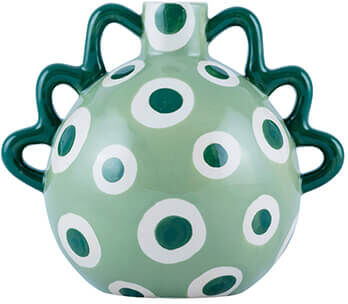
Que Rico Dancing Dots Isidora VaseThis Que Rico Vase Isidora - Dancing Dots is perfect for displaying beautiful fresh flowers or a more permanent dried flower arrangement. Inspired by Spanish lifestyle this Dancing Dots pattern features a colourful and bold design in green and white with a pair of wavy and stylish handles in green. Handmade and hand painted for a truly unique finish, this vase also makes the perfect gift with the gift packaging included. Dimensions: 16.5(H) x 15(W) x 20(L)cm.20,00 £*Shipping: 3,50 £Secure redirect to the provider
-
Que Rico Sol Y Sombra Isla VaseThis Que Rico Vase Isla - Sol Y Sombra is perfect for displaying beautiful fresh flowers or a more permanent dried flower arrangement. Inspired by Spanish lifestyle this colourful Sol Y Sambra pattern adds a ray of sunshine to your home. Handmade and hand painted for a truly unique finish, this vase also makes the perfect gift with the gift packaging included. Dimensions: 28(H) x 18(W) x 18(L)cm.50,40 £*Shipping: 0,00 £Secure redirect to the provider
-
Que Rico Rayas Bailarinas Yellow Elisa VaseThis Que Rico Vase Elisa - Rayas Bailarinas is perfect for displaying beautiful fresh flowers or a more permanent dried flower arrangement. Inspired by Spanish lifestyle this Rayas Bailarinas pattern features strong yellow stripes with a combo of multicoloured fun handles. Handmade and hand painted for a truly unique finish, this vase also makes the perfect gift with the gift packaging included. Dimensions: 27(H) x 13.5(W) x 24.5(L)cm.35,00 £*Shipping: 3,50 £Secure redirect to the provider



-
What is the difference between the imperfect, the passé composé, and the plus-que-parfait?
The imperfect tense is used to describe ongoing or repeated actions in the past, while the passé composé is used to describe specific actions that occurred and were completed in the past. The plus-que-parfait, on the other hand, is used to describe actions that had already been completed before another action in the past. In other words, the plus-que-parfait is used to express the past perfect tense, indicating that one action had already been completed before another action took place. **
-
When do we use the imparfait, the plus-que-parfait, and when do we use the passé composé?
We use the imparfait to describe ongoing or repeated actions in the past, to set the scene or provide background information. The plus-que-parfait is used to express an action that occurred before another action in the past. The passé composé is used to describe completed actions in the past, especially those that have a specific time frame or are seen as a single event. **
-
How do I know when to use the passé composé, the imparfait, or the plus-que-parfait? Thanks in advance.
You can use the passé composé to talk about completed actions in the past, especially those that have a specific time frame or are seen as a single event. The imparfait is used to describe ongoing or repeated actions in the past, as well as to set the scene or provide background information. The plus-que-parfait is used to talk about an action that occurred before another action in the past. To choose between these tenses, consider the context and the specific time frame of the actions you are describing. **
-
Is there a difference between et and que?
Yes, there is a difference between "et" and "que" in French. "Et" means "and" and is used to connect two elements that are equal or similar in a sentence. On the other hand, "que" means "that" or "which" and is used to introduce a subordinate clause that provides additional information about the main clause. So, while "et" is a coordinating conjunction, "que" is a subordinating conjunction. **


"Is the parfait too firm?"
The firmness of the parfait is a matter of personal preference. Some people may enjoy a firmer texture, while others may prefer a softer consistency. It ultimately depends on the recipe and the desired outcome. If the parfait is too firm for your liking, you can try adjusting the ingredients or the preparation method to achieve the desired texture. **
What is the difference between autant que and aussi que?
The main difference between "autant que" and "aussi que" is their usage in comparisons. "Autant que" is used to express equality in comparisons, meaning "as much as" or "as many as." For example, "Il mange autant que moi" (He eats as much as I do). On the other hand, "aussi que" is used to express similarity in comparisons, meaning "as... as." For example, "Elle est aussi belle que sa mère" (She is as beautiful as her mother). Therefore, "autant que" is used for equality, while "aussi que" is used for similarity in comparisons. **
Top-Angebote
Products related to Plus-que-parfait:
-
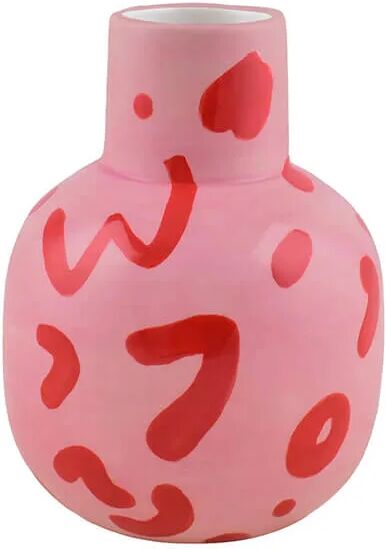
Que Rico Leopardo Lindo Rosita VaseThis Que Rico Vase Rosita - Leopardo Lindo is perfect for displaying beautiful fresh flowers or a more permanent dried flower arrangement. Inspired by Spanish lifestyle this colourful Leopardo Lindo pattern adds a pop of colour to your home with this vibrant red and pink combination. Handmade and hand painted for a truly unique finish, this vase also makes the perfect gift with the gift packaging included. Dimensions: 16(H) x 11.5(W) x 11.5(L)cm.17,60 £*Shipping: 3,50 £Secure redirect to the provider
-
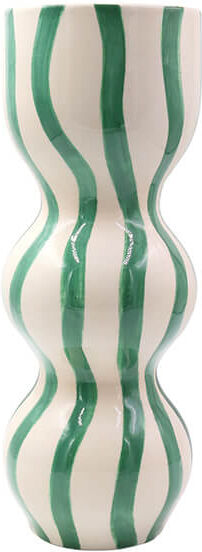
Que Rico Rayas Bailarinas Raquel VaseThis Que Rico Vase Raquel - Rayas Bailarinas is perfect for displaying beautiful fresh flowers or a more permanent dried flower arrangement. Inspired by Spanish lifestyle this colourful Rayas Bailarinas pattern adds a warm and inviting look to your home with the gentle green lines against the beautiful curves of the vase. Handmade and hand painted for a truly unique finish, this vase also makes the perfect gift with the gift packaging included. Dimensions: 34.5(H) x 14(W) x 14(L)cm.52,00 £*Shipping: 0,00 £Secure redirect to the provider
-
Que Rico Fuego Floral Rodrigo VaseThis Que Rico Vase Rodrigo - Fuego Floral is perfect for displaying beautiful fresh flowers or a more permanent dried flower arrangement. Inspired by Spanish lifestyle this Fuego Floral pattern features a combo of pink and orange in a fun wavy design with matching orange handles. Handmade and hand painted for a truly unique finish, this vase also makes the perfect gift with the gift packaging included. Dimensions: 24.5(H) x 13(W) x 21(L)cm.48,00 £*Shipping: 3,50 £Secure redirect to the provider
-
Que Rico Dancing Dots Isidora VaseThis Que Rico Vase Isidora - Dancing Dots is perfect for displaying beautiful fresh flowers or a more permanent dried flower arrangement. Inspired by Spanish lifestyle this Dancing Dots pattern features a colourful and bold design in green and white with a pair of wavy and stylish handles in green. Handmade and hand painted for a truly unique finish, this vase also makes the perfect gift with the gift packaging included. Dimensions: 16.5(H) x 15(W) x 20(L)cm.20,00 £*Shipping: 3,50 £Secure redirect to the provider
-
How do you form the passé composé, the imparfait, and the plus-que-parfait?
The passé composé is formed by using the present tense of the auxiliary verb "avoir" or "être" followed by the past participle of the main verb. For example, "j'ai mangé" (I ate) or "elle est allée" (she went). The imparfait is formed by taking the present tense nous form of the verb, removing the -ons ending, and adding the imparfait endings (-ais, -ais, -ait, -ions, -iez, -aient). For example, "je parlais" (I was speaking) or "nous finissions" (we were finishing). The plus-que-parfait is formed by using the imparfait form of the auxiliary verb "avoir" or "être" followed by the past participle of the main verb. For example, "j'avais mangé" (I had eaten) or "elle était allée" (she had gone). **
-
What is the French text in the imparfait, passé composé, and plus-que-parfait?
The French text in the imparfait, passé composé, and plus-que-parfait are different tenses used to express actions in the past. The imparfait is used to describe ongoing or habitual actions in the past, such as "Je mangeais" (I was eating). The passé composé is used to express completed actions in the past, such as "J'ai mangé" (I ate). The plus-que-parfait is used to indicate an action that occurred before another action in the past, such as "J'avais mangé" (I had eaten). **
-
What is the difference between the imperfect, the passé composé, and the plus-que-parfait?
The imperfect tense is used to describe ongoing or repeated actions in the past, while the passé composé is used to describe specific actions that occurred and were completed in the past. The plus-que-parfait, on the other hand, is used to describe actions that had already been completed before another action in the past. In other words, the plus-que-parfait is used to express the past perfect tense, indicating that one action had already been completed before another action took place. **
-
When do we use the imparfait, the plus-que-parfait, and when do we use the passé composé?
We use the imparfait to describe ongoing or repeated actions in the past, to set the scene or provide background information. The plus-que-parfait is used to express an action that occurred before another action in the past. The passé composé is used to describe completed actions in the past, especially those that have a specific time frame or are seen as a single event. **
Similar search terms for Plus-que-parfait
-
Que Rico Sol Y Sombra Isla VaseThis Que Rico Vase Isla - Sol Y Sombra is perfect for displaying beautiful fresh flowers or a more permanent dried flower arrangement. Inspired by Spanish lifestyle this colourful Sol Y Sambra pattern adds a ray of sunshine to your home. Handmade and hand painted for a truly unique finish, this vase also makes the perfect gift with the gift packaging included. Dimensions: 28(H) x 18(W) x 18(L)cm.50,40 £*Shipping: 0,00 £Secure redirect to the provider
-
Que Rico Rayas Bailarinas Yellow Elisa VaseThis Que Rico Vase Elisa - Rayas Bailarinas is perfect for displaying beautiful fresh flowers or a more permanent dried flower arrangement. Inspired by Spanish lifestyle this Rayas Bailarinas pattern features strong yellow stripes with a combo of multicoloured fun handles. Handmade and hand painted for a truly unique finish, this vase also makes the perfect gift with the gift packaging included. Dimensions: 27(H) x 13.5(W) x 24.5(L)cm.35,00 £*Shipping: 3,50 £Secure redirect to the provider
-
Que Rico Amor Del Color Pink/Maroon Camila VaseThis Que Rico Vase Camila - Amor Del Color Pink/Maroon is perfect for displaying beautiful fresh flowers or a more permanent dried flower arrangement. Inspired by Spanish lifestyle this Amor Del Color pattern features a combo of pink and red in a funky twisted design. Handmade and hand painted for a truly unique finish, this vase also makes the perfect gift with the gift packaging included. Dimensions: 19.5(H) x 13.5(W) x 13.5(L)cm.33,00 £*Shipping: 3,50 £Secure redirect to the provider
-
Que Rico Amor Del Color Green/White Camila VaseThis Que Rico Vase Camila - Amor Del Color Green/White is perfect for displaying beautiful fresh flowers or a more permanent dried flower arrangement. Inspired by Spanish lifestyle this Amor Del Color pattern features a combo of green and white in a funky twisted design. Handmade and hand painted for a truly unique finish, this vase also makes the perfect gift with the gift packaging included. Dimensions: 19.5(H) x 13.5(W) x 13.5(L)cm.33,00 £*Shipping: 3,50 £Secure redirect to the provider
-
How do I know when to use the passé composé, the imparfait, or the plus-que-parfait? Thanks in advance.
You can use the passé composé to talk about completed actions in the past, especially those that have a specific time frame or are seen as a single event. The imparfait is used to describe ongoing or repeated actions in the past, as well as to set the scene or provide background information. The plus-que-parfait is used to talk about an action that occurred before another action in the past. To choose between these tenses, consider the context and the specific time frame of the actions you are describing. **
-
Is there a difference between et and que?
Yes, there is a difference between "et" and "que" in French. "Et" means "and" and is used to connect two elements that are equal or similar in a sentence. On the other hand, "que" means "that" or "which" and is used to introduce a subordinate clause that provides additional information about the main clause. So, while "et" is a coordinating conjunction, "que" is a subordinating conjunction. **
-
"Is the parfait too firm?"
The firmness of the parfait is a matter of personal preference. Some people may enjoy a firmer texture, while others may prefer a softer consistency. It ultimately depends on the recipe and the desired outcome. If the parfait is too firm for your liking, you can try adjusting the ingredients or the preparation method to achieve the desired texture. **
-
What is the difference between autant que and aussi que?
The main difference between "autant que" and "aussi que" is their usage in comparisons. "Autant que" is used to express equality in comparisons, meaning "as much as" or "as many as." For example, "Il mange autant que moi" (He eats as much as I do). On the other hand, "aussi que" is used to express similarity in comparisons, meaning "as... as." For example, "Elle est aussi belle que sa mère" (She is as beautiful as her mother). Therefore, "autant que" is used for equality, while "aussi que" is used for similarity in comparisons. **
* All prices are inclusive of VAT and, if applicable, plus shipping costs. The offer information is based on the details provided by the respective shop and is updated through automated processes. Real-time updates do not occur, so deviations can occur in individual cases. ** Note: Parts of this content were created by AI.