Buy loir-et-berce.eu ?
We are moving the project
loir-et-berce.eu .
Are you interested in purchasing the domain
loir-et-berce.eu ?
domain@kv-gmbh.de · 0541-91531010
Buy loir-et-berce.eu ?
How do I update a JPanel?
To update a JPanel, you can call the `repaint()` method on the panel. This will schedule a call to the panel's `paintComponent()` method, which will then redraw the panel. If you need to update the contents of the panel, you can modify the data that the panel uses to render itself, and then call `repaint()` to trigger a redraw. Additionally, you can also call `revalidate()` on the panel if you have added or removed components from it, to ensure that the layout is updated correctly. **
What is JPanel used for in Java?
JPanel is a Swing component in Java that is used to group and organize other components, such as buttons, labels, text fields, etc., within a container. It provides a way to manage the layout of these components and customize their appearance. JPanel is commonly used to create panels or sections within a graphical user interface, allowing for better organization and structure of the user interface components. **


Similar search terms for JPanel
Top-Angebote
Products related to JPanel:
-
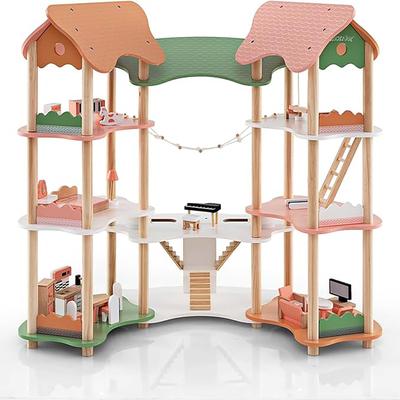
Kids Wooden Dollhouse Aged 3-8 w/ 32PCS Furniture AccessoriesGift your kids an enchanting world with our doll house! Featuring 3 tiers and 7 rooms, our doll house playset turns any nook of your child's room into a whimsical haven of delight.162,99 $*Shipping: 0,00 $Secure redirect to the provider
-
Epson EcoTank ET-2912Save up to 95% on the cost of ink* with an EcoTank ink tank printerSave up to 95% on printing costs* with Epson’s cartridge-free EcoTank printers. With up to 3 years of ink included*, the integrated ink tanks are easy to fill thanks to the specially engineered ink bottles. With an ultra-compact design and flexible, reliable connectivity features, this is the perfect printer for anyone looking for consistent high-quality prints at an incredibly low cost-per-page.Say goodbye to cartridgesEcoTank provides hassle-free home printing - the ultra-high capacity ink tanks allow mess-free refills and the key-lock bottles are designed so only the correct colour can be inserted. The front ink level display means it's easy to see when it’s finally due for a refill.Keep on savingThis economical printer saves you up to 95% on printing costs* and comes with up to 3 years' worth of ink*. One set of ink bottles delivers up to 4,700 pages in black and white and 7,500 in colour*, the equivalent of up to 63 cartridges worth of ink!*Small yet packed with featuresFeaturing a 100-sheet rear paper tray, borderless photo printing (up to 10x15cm) and fast print speeds of up to 11 pages per minute*, you can speed through a variety of tasks with ease. Additional benefits include Apple AirPrint compatibility and an intelligent print quality adjustment function that helps deliver consistent, high‐quality results.Built to lastHeat-Free Printing Technology means the printhead will last the lifetime of the printer* so you can benefit from no unnecessary replacement parts, as well as reduced power consumption compared to laser printers*. Engineered to prevent nozzle clogging, this highly durable printer comes with a 50,000 page (or 1 year) standard warranty*.Modern flexibilityFeaturing an ultra-compact design and Wi-Fi and Wi-Fi Direct connectivity, you can easily integrate this mutlifunction printer with your existing home set-up and print from mobiles, tablets and laptops*. With enhanced support for mesh Wi-Fi networks, the printer's Wi‐Fi is optimised to deliver a reliable and stable connection for a stress-free printing experience.Epson Smart Panel appThis app enables you to control your printer from your smart device*. You can print, copy and scan documents and photos, set up, monitor and troubleshoot your printer, all from your phone or tablet.228,49 £*Shipping: 0,00 £Secure redirect to the provider



-
What is a background image for a JPanel?
A background image for a JPanel is an image that is displayed behind the components of the JPanel. It can be used to enhance the visual appearance of the panel and create a more immersive user interface. The background image can be set using the setOpaque(false) method to make the panel transparent and then adding the image as the background using the setIcon() method of a JLabel. This allows for customization and personalization of the JPanel to better suit the application's design. **
-
How do you create a JPanel with Eclipse?
To create a JPanel with Eclipse, you can follow these steps: 1. Open Eclipse and create a new Java project. 2. Right-click on the src folder in the project explorer and select New -> Class. 3. In the New Java Class dialog, give your class a name and check the box that says "public static void main(String[] args)". 4. Click Finish to create the class. Inside the class, you can create a JPanel object by importing javax.swing.JPanel and instantiating it in the main method. 5. You can then add components to the JPanel and customize its appearance as needed. **
-
How do I position an image in a JPanel?
To position an image in a JPanel, you can use a layout manager such as BorderLayout, FlowLayout, or GridBagLayout to control the position of the image within the panel. You can also set the preferred size of the image using the setPreferredSize() method and then add the image to the panel using the add() method. Additionally, you can use the setBounds() method to specify the exact position and size of the image within the panel. **
-
What is the purpose of using JPanel in Java?
The purpose of using JPanel in Java is to provide a container for organizing and grouping components within a graphical user interface. It allows for the creation of complex layouts by adding and arranging various components such as buttons, labels, text fields, and other GUI elements. JPanel also enables the creation of custom components and provides a way to manage their appearance and behavior. Overall, JPanel helps in creating a more organized and visually appealing user interface for Java applications. **


How do I change the size and position of the JPanel?
To change the size of a JPanel, you can use the `setSize(int width, int height)` method, where you specify the desired width and height in pixels. To change the position of a JPanel within its container, you can use layout managers like BorderLayout, FlowLayout, GridLayout, etc., or set the location explicitly using `setLocation(int x, int y)` method. You can also use setBounds(int x, int y, int width, int height) to set both the size and position of the JPanel in one go. **
How can I attach a JPanel to the bottom of a JFrame or JDialog?
To attach a JPanel to the bottom of a JFrame or JDialog, you can use a BorderLayout manager. By default, a JFrame or JDialog uses a BorderLayout. You can add your JPanel to the SOUTH position of the BorderLayout using the add() method. This will automatically position the JPanel at the bottom of the frame or dialog. Additionally, you can customize the layout by using other layout managers or setting constraints for the components within the JPanel. **
Top-Angebote
Products related to JPanel:
-
Bargoose Home Textiles, Inc. Jacquard Bedspread Collection by Bargoose Home Textiles - Made in PortugalThis richly textured, luxury woven Jacquard Design Bedspread from Bargoose Home Textiles adds a simple but elegant look to your bed. This Jacquard bedspread is lightweight, comfortable, and machine washable (a must for allergy sufferers).164,99 $*Shipping: 0,00 $Secure redirect to the provider
-
Kids Wooden Dollhouse Aged 3-8 w/ 32PCS Furniture AccessoriesGift your kids an enchanting world with our doll house! Featuring 3 tiers and 7 rooms, our doll house playset turns any nook of your child's room into a whimsical haven of delight.162,99 $*Shipping: 0,00 $Secure redirect to the provider
-
Epson EcoTank ET-2912Save up to 95% on the cost of ink* with an EcoTank ink tank printerSave up to 95% on printing costs* with Epson’s cartridge-free EcoTank printers. With up to 3 years of ink included*, the integrated ink tanks are easy to fill thanks to the specially engineered ink bottles. With an ultra-compact design and flexible, reliable connectivity features, this is the perfect printer for anyone looking for consistent high-quality prints at an incredibly low cost-per-page.Say goodbye to cartridgesEcoTank provides hassle-free home printing - the ultra-high capacity ink tanks allow mess-free refills and the key-lock bottles are designed so only the correct colour can be inserted. The front ink level display means it's easy to see when it’s finally due for a refill.Keep on savingThis economical printer saves you up to 95% on printing costs* and comes with up to 3 years' worth of ink*. One set of ink bottles delivers up to 4,700 pages in black and white and 7,500 in colour*, the equivalent of up to 63 cartridges worth of ink!*Small yet packed with featuresFeaturing a 100-sheet rear paper tray, borderless photo printing (up to 10x15cm) and fast print speeds of up to 11 pages per minute*, you can speed through a variety of tasks with ease. Additional benefits include Apple AirPrint compatibility and an intelligent print quality adjustment function that helps deliver consistent, high‐quality results.Built to lastHeat-Free Printing Technology means the printhead will last the lifetime of the printer* so you can benefit from no unnecessary replacement parts, as well as reduced power consumption compared to laser printers*. Engineered to prevent nozzle clogging, this highly durable printer comes with a 50,000 page (or 1 year) standard warranty*.Modern flexibilityFeaturing an ultra-compact design and Wi-Fi and Wi-Fi Direct connectivity, you can easily integrate this mutlifunction printer with your existing home set-up and print from mobiles, tablets and laptops*. With enhanced support for mesh Wi-Fi networks, the printer's Wi‐Fi is optimised to deliver a reliable and stable connection for a stress-free printing experience.Epson Smart Panel appThis app enables you to control your printer from your smart device*. You can print, copy and scan documents and photos, set up, monitor and troubleshoot your printer, all from your phone or tablet.228,49 £*Shipping: 0,00 £Secure redirect to the provider
-
How do I update a JPanel?
To update a JPanel, you can call the `repaint()` method on the panel. This will schedule a call to the panel's `paintComponent()` method, which will then redraw the panel. If you need to update the contents of the panel, you can modify the data that the panel uses to render itself, and then call `repaint()` to trigger a redraw. Additionally, you can also call `revalidate()` on the panel if you have added or removed components from it, to ensure that the layout is updated correctly. **
-
What is JPanel used for in Java?
JPanel is a Swing component in Java that is used to group and organize other components, such as buttons, labels, text fields, etc., within a container. It provides a way to manage the layout of these components and customize their appearance. JPanel is commonly used to create panels or sections within a graphical user interface, allowing for better organization and structure of the user interface components. **
-
What is a background image for a JPanel?
A background image for a JPanel is an image that is displayed behind the components of the JPanel. It can be used to enhance the visual appearance of the panel and create a more immersive user interface. The background image can be set using the setOpaque(false) method to make the panel transparent and then adding the image as the background using the setIcon() method of a JLabel. This allows for customization and personalization of the JPanel to better suit the application's design. **
-
How do you create a JPanel with Eclipse?
To create a JPanel with Eclipse, you can follow these steps: 1. Open Eclipse and create a new Java project. 2. Right-click on the src folder in the project explorer and select New -> Class. 3. In the New Java Class dialog, give your class a name and check the box that says "public static void main(String[] args)". 4. Click Finish to create the class. Inside the class, you can create a JPanel object by importing javax.swing.JPanel and instantiating it in the main method. 5. You can then add components to the JPanel and customize its appearance as needed. **
Similar search terms for JPanel
-
Bargoose Home Textiles, Inc. Jacquard Bedspread Collection by Bargoose Home Textiles - Made in PortugalThis richly textured, luxury woven Jacquard Design Bedspread from Bargoose Home Textiles adds a simple but elegant look to your bed. This Jacquard bedspread is lightweight, comfortable, and machine washable (a must for allergy sufferers).156,49 $*Shipping: 0,00 $Secure redirect to the provider
-
Bargoose Home Textiles, Inc. Jacquard Bedspread Collection by Bargoose Home Textiles - Made in PortugalThis richly textured, luxury woven Jacquard Design Bedspread from Bargoose Home Textiles adds a simple but elegant look to your bed. This Jacquard bedspread is lightweight, comfortable, and machine washable (a must for allergy sufferers).161,49 $*Shipping: 0,00 $Secure redirect to the provider
-
How do I position an image in a JPanel?
To position an image in a JPanel, you can use a layout manager such as BorderLayout, FlowLayout, or GridBagLayout to control the position of the image within the panel. You can also set the preferred size of the image using the setPreferredSize() method and then add the image to the panel using the add() method. Additionally, you can use the setBounds() method to specify the exact position and size of the image within the panel. **
-
What is the purpose of using JPanel in Java?
The purpose of using JPanel in Java is to provide a container for organizing and grouping components within a graphical user interface. It allows for the creation of complex layouts by adding and arranging various components such as buttons, labels, text fields, and other GUI elements. JPanel also enables the creation of custom components and provides a way to manage their appearance and behavior. Overall, JPanel helps in creating a more organized and visually appealing user interface for Java applications. **
-
How do I change the size and position of the JPanel?
To change the size of a JPanel, you can use the `setSize(int width, int height)` method, where you specify the desired width and height in pixels. To change the position of a JPanel within its container, you can use layout managers like BorderLayout, FlowLayout, GridLayout, etc., or set the location explicitly using `setLocation(int x, int y)` method. You can also use setBounds(int x, int y, int width, int height) to set both the size and position of the JPanel in one go. **
-
How can I attach a JPanel to the bottom of a JFrame or JDialog?
To attach a JPanel to the bottom of a JFrame or JDialog, you can use a BorderLayout manager. By default, a JFrame or JDialog uses a BorderLayout. You can add your JPanel to the SOUTH position of the BorderLayout using the add() method. This will automatically position the JPanel at the bottom of the frame or dialog. Additionally, you can customize the layout by using other layout managers or setting constraints for the components within the JPanel. **
* All prices are inclusive of VAT and, if applicable, plus shipping costs. The offer information is based on the details provided by the respective shop and is updated through automated processes. Real-time updates do not occur, so deviations can occur in individual cases. ** Note: Parts of this content were created by AI.