Buy loir-et-berce.eu ?
We are moving the project
loir-et-berce.eu .
Are you interested in purchasing the domain
loir-et-berce.eu ?
domain@kv-gmbh.de · 0541-91531010
Buy loir-et-berce.eu ?
What exactly is decentralization?
Decentralization is the process of distributing power, decision-making authority, or resources away from a central authority to multiple smaller entities or individuals. It aims to promote autonomy, efficiency, and accountability by allowing for more localized control and decision-making. Decentralization can take various forms, such as political, administrative, or fiscal decentralization, and is often seen as a way to improve governance and service delivery. By dispersing power and responsibilities, decentralization can help to empower local communities and promote participatory decision-making. **
What is decentralization exactly?
Decentralization is the process of distributing power, decision-making authority, or resources away from a central authority or location to multiple smaller entities or individuals. It aims to empower local communities or individuals to have more control over their own affairs and reduce dependence on a central governing body. Decentralization can take various forms, such as political, administrative, or fiscal decentralization, and is often seen as a way to promote efficiency, accountability, and participation in governance. **

Similar search terms for Decentralization
Top-Angebote
Products related to Decentralization:




-
What is the meaning of decentralization?
Decentralization refers to the distribution of power, authority, and decision-making to multiple levels or entities within a system, rather than concentrating it in a single central authority. This can apply to various aspects of governance, such as political, economic, or administrative systems. Decentralization is often seen as a way to promote local autonomy, increase efficiency, and foster innovation by allowing for more localized decision-making and problem-solving. It can also help to prevent the abuse of power and promote accountability by spreading authority across multiple levels. **
-
What is the history of decentralization?
Decentralization has been a concept that dates back to ancient civilizations such as the Greeks and Romans, who implemented systems to distribute power and decision-making across various levels of government. In more recent history, decentralization gained popularity as a way to promote local governance and autonomy, with examples such as the Magna Carta in 1215 and the formation of the United States with its federal system. In the 20th century, decentralization became a key principle in many countries' governance structures, aiming to improve efficiency, accountability, and responsiveness to local needs. Today, decentralization continues to be a prominent feature in many political systems worldwide, with varying degrees of implementation and success. **
-
What does decentralization mean in urban development?
Decentralization in urban development refers to the distribution of power, resources, and decision-making processes away from a central authority to local governments, communities, or individuals. This approach aims to empower local stakeholders to have more control over their own development, leading to more sustainable and inclusive urban growth. Decentralization can help improve efficiency, accountability, and responsiveness in urban planning and management by involving a wider range of actors in the decision-making process. Ultimately, decentralization in urban development can lead to more resilient and vibrant cities that better meet the diverse needs of their residents. **
-
What is the difference between centralization and decentralization?
Centralization refers to the concentration of decision-making authority at the top levels of an organization, where key decisions are made by a few individuals or a single entity. On the other hand, decentralization involves the distribution of decision-making power to lower levels of an organization, allowing for more autonomy and flexibility in decision-making. Centralization can lead to quicker decision-making and consistency in operations, while decentralization can promote innovation, employee empowerment, and quicker responses to local issues. **

Does anyone know the definitions of democratization, demilitarization, denazification, decentralization, and dismantling?
Yes, I can provide brief definitions for each term. Democratization refers to the process of transitioning a government towards a more democratic system. Demilitarization involves reducing or eliminating military presence or capabilities in a certain area. Denazification is the process of removing Nazi influences and ideology from a society. Decentralization involves transferring power or decision-making authority from a central government to local or regional authorities. Dismantling refers to taking apart or disassembling a system or organization. **
Can someone please give me a few examples of how I can promote decentralization in children?
You can promote decentralization in children by giving them opportunities to make their own decisions, such as allowing them to choose their own activities or make choices about their daily routines. Encouraging them to express their own opinions and ideas, and actively listening to their perspectives, can also help promote decentralization. Additionally, involving children in problem-solving and decision-making processes within the family or classroom can empower them to take ownership of their choices and actions. **
Top-Angebote
Products related to Decentralization:
-
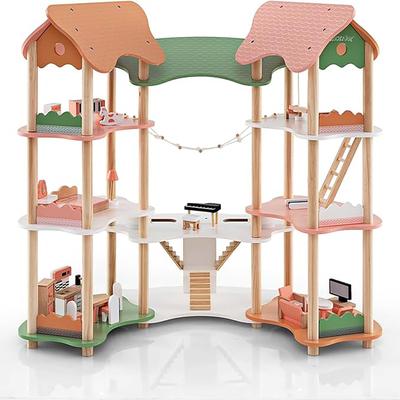
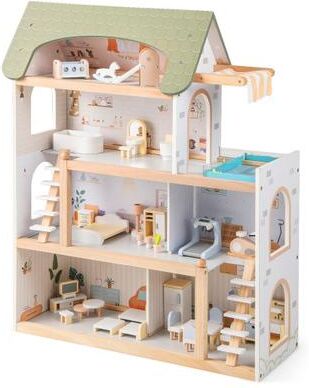
Kids Wooden Dollhouse Aged 3-8 w/ 32PCS Furniture AccessoriesGift your kids an enchanting world with our doll house! Featuring 3 tiers and 7 rooms, our doll house playset turns any nook of your child's room into a whimsical haven of delight.162,99 $*Shipping: 0,00 $Secure redirect to the provider
-
Epson EcoTank ET-2912Save up to 95% on the cost of ink* with an EcoTank ink tank printerSave up to 95% on printing costs* with Epson’s cartridge-free EcoTank printers. With up to 3 years of ink included*, the integrated ink tanks are easy to fill thanks to the specially engineered ink bottles. With an ultra-compact design and flexible, reliable connectivity features, this is the perfect printer for anyone looking for consistent high-quality prints at an incredibly low cost-per-page.Say goodbye to cartridgesEcoTank provides hassle-free home printing - the ultra-high capacity ink tanks allow mess-free refills and the key-lock bottles are designed so only the correct colour can be inserted. The front ink level display means it's easy to see when it’s finally due for a refill.Keep on savingThis economical printer saves you up to 95% on printing costs* and comes with up to 3 years' worth of ink*. One set of ink bottles delivers up to 4,700 pages in black and white and 7,500 in colour*, the equivalent of up to 63 cartridges worth of ink!*Small yet packed with featuresFeaturing a 100-sheet rear paper tray, borderless photo printing (up to 10x15cm) and fast print speeds of up to 11 pages per minute*, you can speed through a variety of tasks with ease. Additional benefits include Apple AirPrint compatibility and an intelligent print quality adjustment function that helps deliver consistent, high‐quality results.Built to lastHeat-Free Printing Technology means the printhead will last the lifetime of the printer* so you can benefit from no unnecessary replacement parts, as well as reduced power consumption compared to laser printers*. Engineered to prevent nozzle clogging, this highly durable printer comes with a 50,000 page (or 1 year) standard warranty*.Modern flexibilityFeaturing an ultra-compact design and Wi-Fi and Wi-Fi Direct connectivity, you can easily integrate this mutlifunction printer with your existing home set-up and print from mobiles, tablets and laptops*. With enhanced support for mesh Wi-Fi networks, the printer's Wi‐Fi is optimised to deliver a reliable and stable connection for a stress-free printing experience.Epson Smart Panel appThis app enables you to control your printer from your smart device*. You can print, copy and scan documents and photos, set up, monitor and troubleshoot your printer, all from your phone or tablet.228,49 £*Shipping: 0,00 £Secure redirect to the provider
-
What exactly is decentralization?
Decentralization is the process of distributing power, decision-making authority, or resources away from a central authority to multiple smaller entities or individuals. It aims to promote autonomy, efficiency, and accountability by allowing for more localized control and decision-making. Decentralization can take various forms, such as political, administrative, or fiscal decentralization, and is often seen as a way to improve governance and service delivery. By dispersing power and responsibilities, decentralization can help to empower local communities and promote participatory decision-making. **
-
What is decentralization exactly?
Decentralization is the process of distributing power, decision-making authority, or resources away from a central authority or location to multiple smaller entities or individuals. It aims to empower local communities or individuals to have more control over their own affairs and reduce dependence on a central governing body. Decentralization can take various forms, such as political, administrative, or fiscal decentralization, and is often seen as a way to promote efficiency, accountability, and participation in governance. **
-
What is the meaning of decentralization?
Decentralization refers to the distribution of power, authority, and decision-making to multiple levels or entities within a system, rather than concentrating it in a single central authority. This can apply to various aspects of governance, such as political, economic, or administrative systems. Decentralization is often seen as a way to promote local autonomy, increase efficiency, and foster innovation by allowing for more localized decision-making and problem-solving. It can also help to prevent the abuse of power and promote accountability by spreading authority across multiple levels. **
-
What is the history of decentralization?
Decentralization has been a concept that dates back to ancient civilizations such as the Greeks and Romans, who implemented systems to distribute power and decision-making across various levels of government. In more recent history, decentralization gained popularity as a way to promote local governance and autonomy, with examples such as the Magna Carta in 1215 and the formation of the United States with its federal system. In the 20th century, decentralization became a key principle in many countries' governance structures, aiming to improve efficiency, accountability, and responsiveness to local needs. Today, decentralization continues to be a prominent feature in many political systems worldwide, with varying degrees of implementation and success. **
Similar search terms for Decentralization
-
What does decentralization mean in urban development?
Decentralization in urban development refers to the distribution of power, resources, and decision-making processes away from a central authority to local governments, communities, or individuals. This approach aims to empower local stakeholders to have more control over their own development, leading to more sustainable and inclusive urban growth. Decentralization can help improve efficiency, accountability, and responsiveness in urban planning and management by involving a wider range of actors in the decision-making process. Ultimately, decentralization in urban development can lead to more resilient and vibrant cities that better meet the diverse needs of their residents. **
-
What is the difference between centralization and decentralization?
Centralization refers to the concentration of decision-making authority at the top levels of an organization, where key decisions are made by a few individuals or a single entity. On the other hand, decentralization involves the distribution of decision-making power to lower levels of an organization, allowing for more autonomy and flexibility in decision-making. Centralization can lead to quicker decision-making and consistency in operations, while decentralization can promote innovation, employee empowerment, and quicker responses to local issues. **
-
Does anyone know the definitions of democratization, demilitarization, denazification, decentralization, and dismantling?
Yes, I can provide brief definitions for each term. Democratization refers to the process of transitioning a government towards a more democratic system. Demilitarization involves reducing or eliminating military presence or capabilities in a certain area. Denazification is the process of removing Nazi influences and ideology from a society. Decentralization involves transferring power or decision-making authority from a central government to local or regional authorities. Dismantling refers to taking apart or disassembling a system or organization. **
-
Can someone please give me a few examples of how I can promote decentralization in children?
You can promote decentralization in children by giving them opportunities to make their own decisions, such as allowing them to choose their own activities or make choices about their daily routines. Encouraging them to express their own opinions and ideas, and actively listening to their perspectives, can also help promote decentralization. Additionally, involving children in problem-solving and decision-making processes within the family or classroom can empower them to take ownership of their choices and actions. **
* All prices are inclusive of VAT and, if applicable, plus shipping costs. The offer information is based on the details provided by the respective shop and is updated through automated processes. Real-time updates do not occur, so deviations can occur in individual cases. ** Note: Parts of this content were created by AI.