Buy loir-et-berce.eu ?
We are moving the project
loir-et-berce.eu .
Are you interested in purchasing the domain
loir-et-berce.eu ?
domain@kv-gmbh.de · 0541-91531010
Buy loir-et-berce.eu ?
What happened in the year 1933?
In the year 1933, several significant events took place. Adolf Hitler became Chancellor of Germany, marking the beginning of the Nazi regime. The United States faced the height of the Great Depression, leading to the implementation of President Franklin D. Roosevelt's New Deal policies. Prohibition in the United States was also repealed with the ratification of the 21st Amendment, ending the nationwide ban on alcohol. **
How did religion change around 1933?
In 1933, religion underwent significant changes due to the rise of the Nazi regime in Germany. The Nazis sought to control and manipulate religious institutions to serve their political agenda, leading to the suppression of religious freedom and the persecution of religious minorities, particularly Jews. The Nazis also promoted a form of pseudo-religious worship centered around the cult of Adolf Hitler, attempting to replace traditional religious beliefs with their own ideology. These changes had a profound impact on the practice of religion in Germany and the broader European context, leading to widespread religious persecution and the erosion of religious freedom. **

Similar search terms for 1933
Top-Angebote
Products related to 1933:
-
Epson EcoTank ET-2912Save up to 95% on the cost of ink* with an EcoTank ink tank printerSave up to 95% on printing costs* with Epson’s cartridge-free EcoTank printers. With up to 3 years of ink included*, the integrated ink tanks are easy to fill thanks to the specially engineered ink bottles. With an ultra-compact design and flexible, reliable connectivity features, this is the perfect printer for anyone looking for consistent high-quality prints at an incredibly low cost-per-page.Say goodbye to cartridgesEcoTank provides hassle-free home printing - the ultra-high capacity ink tanks allow mess-free refills and the key-lock bottles are designed so only the correct colour can be inserted. The front ink level display means it's easy to see when it’s finally due for a refill.Keep on savingThis economical printer saves you up to 95% on printing costs* and comes with up to 3 years' worth of ink*. One set of ink bottles delivers up to 4,700 pages in black and white and 7,500 in colour*, the equivalent of up to 63 cartridges worth of ink!*Small yet packed with featuresFeaturing a 100-sheet rear paper tray, borderless photo printing (up to 10x15cm) and fast print speeds of up to 11 pages per minute*, you can speed through a variety of tasks with ease. Additional benefits include Apple AirPrint compatibility and an intelligent print quality adjustment function that helps deliver consistent, high‐quality results.Built to lastHeat-Free Printing Technology means the printhead will last the lifetime of the printer* so you can benefit from no unnecessary replacement parts, as well as reduced power consumption compared to laser printers*. Engineered to prevent nozzle clogging, this highly durable printer comes with a 50,000 page (or 1 year) standard warranty*.Modern flexibilityFeaturing an ultra-compact design and Wi-Fi and Wi-Fi Direct connectivity, you can easily integrate this mutlifunction printer with your existing home set-up and print from mobiles, tablets and laptops*. With enhanced support for mesh Wi-Fi networks, the printer's Wi‐Fi is optimised to deliver a reliable and stable connection for a stress-free printing experience.Epson Smart Panel appThis app enables you to control your printer from your smart device*. You can print, copy and scan documents and photos, set up, monitor and troubleshoot your printer, all from your phone or tablet.228,49 £*Shipping: 0,00 £Secure redirect to the provider




-
Can you describe a postcard from 1933?
A postcard from 1933 would likely feature a colorful illustration or photograph on one side, with a space for a written message and recipient's address on the other. The image might depict a popular tourist destination, landmark, or event from that time period. The message on the back would be written in cursive handwriting, possibly detailing the sender's travels or well wishes to the recipient. Overall, a postcard from 1933 would serve as a snapshot of the era's aesthetics and communication style. **
-
Was the Enabling Act of 1933 legal?
The Enabling Act of 1933 was a legal act passed by the German Reichstag that granted Chancellor Adolf Hitler the power to enact laws without the involvement of the Reichstag. However, the legality of the act is often debated due to the circumstances under which it was passed, including the intimidation and arrest of opposition members. Additionally, the act effectively allowed for the establishment of a dictatorship, which goes against democratic principles. While it may have been legal in the context of the German legal system at the time, it ultimately contributed to the erosion of democracy and the rise of the Nazi regime. **
-
How was antisemitism in Germany before 1933?
Before 1933, antisemitism in Germany was deeply ingrained in society and had a long history. Jews were often scapegoated for various social and economic problems, and were subjected to discrimination and violence. Antisemitic attitudes were present in political parties, the media, and the general population. This created a hostile environment for Jewish people and contributed to the rise of the Nazi party and the eventual implementation of anti-Jewish laws and policies. **
-
How did Hitler come to power in 1933?
Hitler came to power in 1933 through a combination of factors, including the economic turmoil in Germany following World War I, the Great Depression, and the failure of the Weimar Republic to address the country's problems effectively. Hitler and the Nazi Party capitalized on the widespread discontent by promising to restore Germany's greatness and scapegoating minority groups for the country's troubles. Through a combination of propaganda, intimidation, and political maneuvering, Hitler was able to secure enough support to be appointed Chancellor by President Hindenburg in January 1933. Once in power, Hitler quickly consolidated his control, dismantled democratic institutions, and established a totalitarian regime. **


How did the Reichstag election of 1933 go?
The Reichstag election of 1933 was a pivotal moment in German history as it was the last multi-party election before the Nazi Party consolidated power. The Nazi Party, led by Adolf Hitler, won a plurality of seats but not an outright majority. Through a combination of political maneuvering and intimidation, the Nazis were able to secure enough support to pass the Enabling Act, which effectively gave Hitler dictatorial powers. This election marked the beginning of the end of democracy in Germany and the establishment of the Nazi regime. **
Why did Hitler want new elections in 1933?
Hitler wanted new elections in 1933 in order to solidify his power and gain a majority in the Reichstag. The Nazi Party had not won a majority in the previous elections, and Hitler saw the opportunity to increase their share of seats and eliminate any remaining opposition. By calling for new elections, Hitler aimed to further consolidate his control over the government and pave the way for the passing of the Enabling Act, which would grant him dictatorial powers. **
Top-Angebote
Products related to 1933:
-
Old Modern Handicrafts 1933 Checker Model T Taxi CabIn 1933, a new 8-cylinder Lycoming-powered cab, the Model T, was introduced. It featured full-length running boards, traditional headlights and unusual circular inserts over its otherwise traditional hood louvers.70,92 $*Shipping: 0,00 $Secure redirect to the provider
-
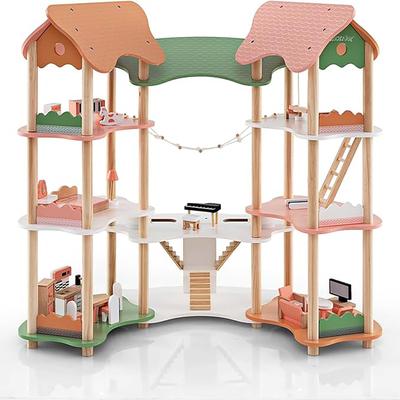
Kids Wooden Dollhouse Aged 3-8 w/ 32PCS Furniture AccessoriesGift your kids an enchanting world with our doll house! Featuring 3 tiers and 7 rooms, our doll house playset turns any nook of your child's room into a whimsical haven of delight.162,99 $*Shipping: 0,00 $Secure redirect to the provider
-
Epson EcoTank ET-2912Save up to 95% on the cost of ink* with an EcoTank ink tank printerSave up to 95% on printing costs* with Epson’s cartridge-free EcoTank printers. With up to 3 years of ink included*, the integrated ink tanks are easy to fill thanks to the specially engineered ink bottles. With an ultra-compact design and flexible, reliable connectivity features, this is the perfect printer for anyone looking for consistent high-quality prints at an incredibly low cost-per-page.Say goodbye to cartridgesEcoTank provides hassle-free home printing - the ultra-high capacity ink tanks allow mess-free refills and the key-lock bottles are designed so only the correct colour can be inserted. The front ink level display means it's easy to see when it’s finally due for a refill.Keep on savingThis economical printer saves you up to 95% on printing costs* and comes with up to 3 years' worth of ink*. One set of ink bottles delivers up to 4,700 pages in black and white and 7,500 in colour*, the equivalent of up to 63 cartridges worth of ink!*Small yet packed with featuresFeaturing a 100-sheet rear paper tray, borderless photo printing (up to 10x15cm) and fast print speeds of up to 11 pages per minute*, you can speed through a variety of tasks with ease. Additional benefits include Apple AirPrint compatibility and an intelligent print quality adjustment function that helps deliver consistent, high‐quality results.Built to lastHeat-Free Printing Technology means the printhead will last the lifetime of the printer* so you can benefit from no unnecessary replacement parts, as well as reduced power consumption compared to laser printers*. Engineered to prevent nozzle clogging, this highly durable printer comes with a 50,000 page (or 1 year) standard warranty*.Modern flexibilityFeaturing an ultra-compact design and Wi-Fi and Wi-Fi Direct connectivity, you can easily integrate this mutlifunction printer with your existing home set-up and print from mobiles, tablets and laptops*. With enhanced support for mesh Wi-Fi networks, the printer's Wi‐Fi is optimised to deliver a reliable and stable connection for a stress-free printing experience.Epson Smart Panel appThis app enables you to control your printer from your smart device*. You can print, copy and scan documents and photos, set up, monitor and troubleshoot your printer, all from your phone or tablet.228,49 £*Shipping: 0,00 £Secure redirect to the provider
-
What happened in the year 1933?
In the year 1933, several significant events took place. Adolf Hitler became Chancellor of Germany, marking the beginning of the Nazi regime. The United States faced the height of the Great Depression, leading to the implementation of President Franklin D. Roosevelt's New Deal policies. Prohibition in the United States was also repealed with the ratification of the 21st Amendment, ending the nationwide ban on alcohol. **
-
How did religion change around 1933?
In 1933, religion underwent significant changes due to the rise of the Nazi regime in Germany. The Nazis sought to control and manipulate religious institutions to serve their political agenda, leading to the suppression of religious freedom and the persecution of religious minorities, particularly Jews. The Nazis also promoted a form of pseudo-religious worship centered around the cult of Adolf Hitler, attempting to replace traditional religious beliefs with their own ideology. These changes had a profound impact on the practice of religion in Germany and the broader European context, leading to widespread religious persecution and the erosion of religious freedom. **
-
Can you describe a postcard from 1933?
A postcard from 1933 would likely feature a colorful illustration or photograph on one side, with a space for a written message and recipient's address on the other. The image might depict a popular tourist destination, landmark, or event from that time period. The message on the back would be written in cursive handwriting, possibly detailing the sender's travels or well wishes to the recipient. Overall, a postcard from 1933 would serve as a snapshot of the era's aesthetics and communication style. **
-
Was the Enabling Act of 1933 legal?
The Enabling Act of 1933 was a legal act passed by the German Reichstag that granted Chancellor Adolf Hitler the power to enact laws without the involvement of the Reichstag. However, the legality of the act is often debated due to the circumstances under which it was passed, including the intimidation and arrest of opposition members. Additionally, the act effectively allowed for the establishment of a dictatorship, which goes against democratic principles. While it may have been legal in the context of the German legal system at the time, it ultimately contributed to the erosion of democracy and the rise of the Nazi regime. **
Similar search terms for 1933
-
How was antisemitism in Germany before 1933?
Before 1933, antisemitism in Germany was deeply ingrained in society and had a long history. Jews were often scapegoated for various social and economic problems, and were subjected to discrimination and violence. Antisemitic attitudes were present in political parties, the media, and the general population. This created a hostile environment for Jewish people and contributed to the rise of the Nazi party and the eventual implementation of anti-Jewish laws and policies. **
-
How did Hitler come to power in 1933?
Hitler came to power in 1933 through a combination of factors, including the economic turmoil in Germany following World War I, the Great Depression, and the failure of the Weimar Republic to address the country's problems effectively. Hitler and the Nazi Party capitalized on the widespread discontent by promising to restore Germany's greatness and scapegoating minority groups for the country's troubles. Through a combination of propaganda, intimidation, and political maneuvering, Hitler was able to secure enough support to be appointed Chancellor by President Hindenburg in January 1933. Once in power, Hitler quickly consolidated his control, dismantled democratic institutions, and established a totalitarian regime. **
-
How did the Reichstag election of 1933 go?
The Reichstag election of 1933 was a pivotal moment in German history as it was the last multi-party election before the Nazi Party consolidated power. The Nazi Party, led by Adolf Hitler, won a plurality of seats but not an outright majority. Through a combination of political maneuvering and intimidation, the Nazis were able to secure enough support to pass the Enabling Act, which effectively gave Hitler dictatorial powers. This election marked the beginning of the end of democracy in Germany and the establishment of the Nazi regime. **
-
Why did Hitler want new elections in 1933?
Hitler wanted new elections in 1933 in order to solidify his power and gain a majority in the Reichstag. The Nazi Party had not won a majority in the previous elections, and Hitler saw the opportunity to increase their share of seats and eliminate any remaining opposition. By calling for new elections, Hitler aimed to further consolidate his control over the government and pave the way for the passing of the Enabling Act, which would grant him dictatorial powers. **
* All prices are inclusive of VAT and, if applicable, plus shipping costs. The offer information is based on the details provided by the respective shop and is updated through automated processes. Real-time updates do not occur, so deviations can occur in individual cases. ** Note: Parts of this content were created by AI.