Buy loir-et-berce.eu ?
We are moving the project
loir-et-berce.eu .
Are you interested in purchasing the domain
loir-et-berce.eu ?
domain@kv-gmbh.de · 0541-91531010
Buy loir-et-berce.eu ?
Is possessiveness a disease?
Possessiveness is not considered a disease in the medical sense, but it can be a harmful trait that negatively impacts relationships and mental well-being. Excessive possessiveness can lead to controlling behavior, jealousy, and insecurity, which can strain relationships and cause distress for both the possessive individual and their partner. It is important to address possessiveness through communication, self-reflection, and potentially seeking therapy to work through underlying issues that may be contributing to this behavior. **
Is possessiveness also present in marriage?
Yes, possessiveness can be present in marriage. It can stem from feelings of insecurity, fear of losing one's partner, or a desire to control the relationship. While some level of possessiveness is normal in a romantic relationship, it can become unhealthy if it leads to jealousy, controlling behavior, or lack of trust. It is important for couples to communicate openly, set boundaries, and work on building trust to prevent possessiveness from negatively impacting their marriage. **

Similar search terms for Possessiveness
Top-Angebote
Products related to Possessiveness:



-
What is the difference between possessiveness and jealousy?
Possessiveness is the desire to control or own something or someone, often stemming from a sense of ownership or entitlement. It can manifest as wanting to have power over a person or object. Jealousy, on the other hand, is an emotional response to a perceived threat or loss of something valuable, such as a relationship or possession. It often involves feelings of insecurity, fear of abandonment, or competition with others. While possessiveness is more about control and ownership, jealousy is more about fear of losing something important. **
-
What can I do about my jealousy and possessiveness?
To address jealousy and possessiveness, it is important to first acknowledge and understand the root causes of these feelings. Reflect on past experiences or insecurities that may be contributing to these emotions. Practice open communication with your partner about your feelings and work together to build trust and reassurance. Additionally, focus on building your self-esteem and confidence to reduce feelings of insecurity that may be fueling jealousy. Seeking support from a therapist or counselor can also be beneficial in addressing and managing these emotions. **
-
What is the cause of jealousy: love or possessiveness?
Jealousy can stem from both love and possessiveness. Love can lead to jealousy when there is a fear of losing the affection and attention of a loved one to someone else. Possessiveness, on the other hand, can also lead to jealousy when there is a strong desire to control and own the other person. Both love and possessiveness can trigger feelings of insecurity and fear of losing the connection with the person, which can result in jealousy. Ultimately, the cause of jealousy can be a complex combination of love and possessiveness. **
-
Is the concept of human partnership, love, without jealousy and possessiveness not possible?
The concept of human partnership and love without jealousy and possessiveness is possible, but it requires a deep level of trust, communication, and emotional maturity from both partners. It involves understanding that each person is an individual with their own autonomy and freedom, and that love does not equate to ownership. It requires a secure attachment style and the ability to manage insecurities and fears. While it may be challenging, it is achievable through open and honest communication, mutual respect, and a commitment to personal growth. **

How does the desire for control manifest in relationships through possessiveness and dominance?
The desire for control in relationships can manifest through possessiveness by wanting to have ownership and control over the other person. This can lead to jealousy, monitoring their activities, and trying to limit their interactions with others. Dominance can manifest through the need to have power and authority over the other person, leading to controlling behavior, making all the decisions, and using manipulation or coercion to maintain control. Both possessiveness and dominance can create an unhealthy dynamic in a relationship, leading to feelings of suffocation, lack of autonomy, and ultimately, the erosion of trust and intimacy. **
Is the company Homeware reputable?
Homeware is a reputable company known for providing high-quality home goods and decor. They have a strong reputation for offering stylish and durable products at competitive prices. Customers have consistently given positive feedback about their products and customer service, further solidifying their reputation as a reputable company in the home goods industry. Overall, Homeware is considered a trustworthy and reputable company. **
Top-Angebote
Products related to Possessiveness:
-
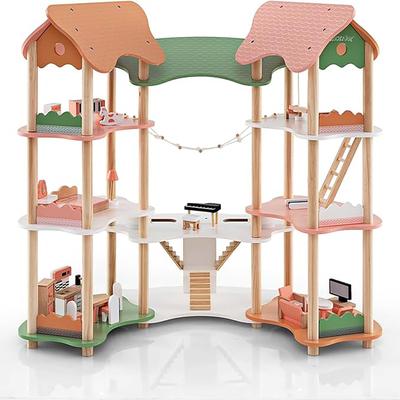
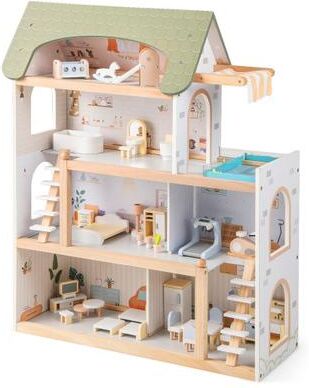
Kids Wooden Dollhouse Aged 3-8 w/ 32PCS Furniture AccessoriesGift your kids an enchanting world with our doll house! Featuring 3 tiers and 7 rooms, our doll house playset turns any nook of your child's room into a whimsical haven of delight.162,99 $*Shipping: 0,00 $Secure redirect to the provider
-
Epson EcoTank ET-2912Save up to 95% on the cost of ink* with an EcoTank ink tank printerSave up to 95% on printing costs* with Epson’s cartridge-free EcoTank printers. With up to 3 years of ink included*, the integrated ink tanks are easy to fill thanks to the specially engineered ink bottles. With an ultra-compact design and flexible, reliable connectivity features, this is the perfect printer for anyone looking for consistent high-quality prints at an incredibly low cost-per-page.Say goodbye to cartridgesEcoTank provides hassle-free home printing - the ultra-high capacity ink tanks allow mess-free refills and the key-lock bottles are designed so only the correct colour can be inserted. The front ink level display means it's easy to see when it’s finally due for a refill.Keep on savingThis economical printer saves you up to 95% on printing costs* and comes with up to 3 years' worth of ink*. One set of ink bottles delivers up to 4,700 pages in black and white and 7,500 in colour*, the equivalent of up to 63 cartridges worth of ink!*Small yet packed with featuresFeaturing a 100-sheet rear paper tray, borderless photo printing (up to 10x15cm) and fast print speeds of up to 11 pages per minute*, you can speed through a variety of tasks with ease. Additional benefits include Apple AirPrint compatibility and an intelligent print quality adjustment function that helps deliver consistent, high‐quality results.Built to lastHeat-Free Printing Technology means the printhead will last the lifetime of the printer* so you can benefit from no unnecessary replacement parts, as well as reduced power consumption compared to laser printers*. Engineered to prevent nozzle clogging, this highly durable printer comes with a 50,000 page (or 1 year) standard warranty*.Modern flexibilityFeaturing an ultra-compact design and Wi-Fi and Wi-Fi Direct connectivity, you can easily integrate this mutlifunction printer with your existing home set-up and print from mobiles, tablets and laptops*. With enhanced support for mesh Wi-Fi networks, the printer's Wi‐Fi is optimised to deliver a reliable and stable connection for a stress-free printing experience.Epson Smart Panel appThis app enables you to control your printer from your smart device*. You can print, copy and scan documents and photos, set up, monitor and troubleshoot your printer, all from your phone or tablet.228,49 £*Shipping: 0,00 £Secure redirect to the provider
-
Is possessiveness a disease?
Possessiveness is not considered a disease in the medical sense, but it can be a harmful trait that negatively impacts relationships and mental well-being. Excessive possessiveness can lead to controlling behavior, jealousy, and insecurity, which can strain relationships and cause distress for both the possessive individual and their partner. It is important to address possessiveness through communication, self-reflection, and potentially seeking therapy to work through underlying issues that may be contributing to this behavior. **
-
Is possessiveness also present in marriage?
Yes, possessiveness can be present in marriage. It can stem from feelings of insecurity, fear of losing one's partner, or a desire to control the relationship. While some level of possessiveness is normal in a romantic relationship, it can become unhealthy if it leads to jealousy, controlling behavior, or lack of trust. It is important for couples to communicate openly, set boundaries, and work on building trust to prevent possessiveness from negatively impacting their marriage. **
-
What is the difference between possessiveness and jealousy?
Possessiveness is the desire to control or own something or someone, often stemming from a sense of ownership or entitlement. It can manifest as wanting to have power over a person or object. Jealousy, on the other hand, is an emotional response to a perceived threat or loss of something valuable, such as a relationship or possession. It often involves feelings of insecurity, fear of abandonment, or competition with others. While possessiveness is more about control and ownership, jealousy is more about fear of losing something important. **
-
What can I do about my jealousy and possessiveness?
To address jealousy and possessiveness, it is important to first acknowledge and understand the root causes of these feelings. Reflect on past experiences or insecurities that may be contributing to these emotions. Practice open communication with your partner about your feelings and work together to build trust and reassurance. Additionally, focus on building your self-esteem and confidence to reduce feelings of insecurity that may be fueling jealousy. Seeking support from a therapist or counselor can also be beneficial in addressing and managing these emotions. **
Similar search terms for Possessiveness
-
What is the cause of jealousy: love or possessiveness?
Jealousy can stem from both love and possessiveness. Love can lead to jealousy when there is a fear of losing the affection and attention of a loved one to someone else. Possessiveness, on the other hand, can also lead to jealousy when there is a strong desire to control and own the other person. Both love and possessiveness can trigger feelings of insecurity and fear of losing the connection with the person, which can result in jealousy. Ultimately, the cause of jealousy can be a complex combination of love and possessiveness. **
-
Is the concept of human partnership, love, without jealousy and possessiveness not possible?
The concept of human partnership and love without jealousy and possessiveness is possible, but it requires a deep level of trust, communication, and emotional maturity from both partners. It involves understanding that each person is an individual with their own autonomy and freedom, and that love does not equate to ownership. It requires a secure attachment style and the ability to manage insecurities and fears. While it may be challenging, it is achievable through open and honest communication, mutual respect, and a commitment to personal growth. **
-
How does the desire for control manifest in relationships through possessiveness and dominance?
The desire for control in relationships can manifest through possessiveness by wanting to have ownership and control over the other person. This can lead to jealousy, monitoring their activities, and trying to limit their interactions with others. Dominance can manifest through the need to have power and authority over the other person, leading to controlling behavior, making all the decisions, and using manipulation or coercion to maintain control. Both possessiveness and dominance can create an unhealthy dynamic in a relationship, leading to feelings of suffocation, lack of autonomy, and ultimately, the erosion of trust and intimacy. **
-
Is the company Homeware reputable?
Homeware is a reputable company known for providing high-quality home goods and decor. They have a strong reputation for offering stylish and durable products at competitive prices. Customers have consistently given positive feedback about their products and customer service, further solidifying their reputation as a reputable company in the home goods industry. Overall, Homeware is considered a trustworthy and reputable company. **
* All prices are inclusive of VAT and, if applicable, plus shipping costs. The offer information is based on the details provided by the respective shop and is updated through automated processes. Real-time updates do not occur, so deviations can occur in individual cases. ** Note: Parts of this content were created by AI.